Is the peptide vial almost empty? Why 10, 20, and 30 mg look the same
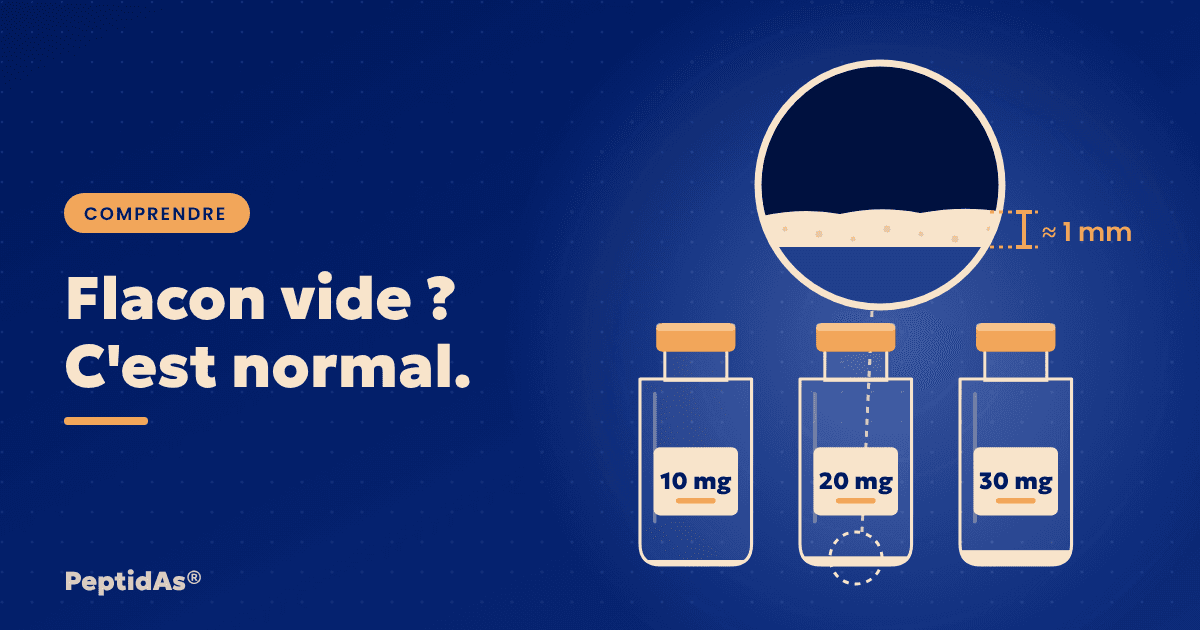
In short. A vial of lyophilized peptide appears almost empty because the amount of powder is minuscule: 10 mg is less than one millimeter high at the bottom of the vial, and 30 mg is barely one to two millimeters high. The naked eye cannot detect this difference. Nor can it determine the purity or actual content of a batch—only the certificate of analysis can do that.
Why does my vial look almost empty?
You open the package and the vial looks almost empty: a thin white pellet, a light film on the wall, sometimes almost nothing. This is the case for most peptides delivered in lyophilized form.
Freeze-drying removes water through sublimation under a vacuum. What remains is a very light, porous solid, containing no liquid. And the mass involved is minuscule: 10 mg is 0.01 g, which is roughly equivalent to thirty grains of fine salt. At the bottom of a vial holding several milliliters, this amount takes up almost no space.
A Few Millimeters of Powder: Orders of Magnitude
We can estimate the height of the powder at the bottom of the vial. The calculation assumes a light powder with an apparent density of 0.1 to 0.2 g/mL in a vial with an inner diameter of approximately 14 mm. These are assumptions: the actual density varies depending on the peptide and the drying process.
| Amount of peptide | Estimated powder volume | Estimated height at the bottom of the vial |
|---|---|---|
| 10 mg | 0.05 to 0.10 mL | 0.3 to 0.6 mm |
| 20 mg | 0.10 to 0.20 mL | 0.6 to 1.3 mm |
| 30 mg | 0.15 to 0.30 mL | 1.0 to 1.9 mm |
Between 10 mg and 30 mg, the difference in height is therefore approximately 0.7 to 1.3 mm—barely the thickness of a credit card. The quantity has actually tripled, but it’s not visible.
Why You Can’t See the Difference with the Naked Eye
There are several reasons beyond the powder’s low height.
- The bottom of the vial is thick and domed. It distorts and obscures the last few millimeters, where the powder is located.
- The appearance of the powder does not depend solely on the quantity. The structure of the lyophilized product is determined by the freezing and drying conditions. It can form a disc, a film stuck to the walls, a fine powder, or a slight settling—none of which are directly related to the mass.
- Some of the powder may come loose during transport. It then spreads across the walls or under the cap, giving the impression that the vial is empty.
- The vial is generally the same from one dosage to the next. Only the amount of powder changes, and the variation is less than one millimeter.
- Some formulations contain a bulking agent (such as mannitol, glycine, or a sugar) that adds bulk and gives the product a fuller appearance, which is unrelated to the amount of peptide. The certificate of analysis specifies the composition and net content.
What the Appearance of a Vial Does Not Indicate
A vial that appears full does not contain a higher dose, and a vial that appears empty does not contain a lower dose. Visual inspection provides no information about the net content, purity, or identity of the peptide. Even in the pharmaceutical industry, where every lyophilized vial is inspected, the appearance of a lyophilisate normally varies from vial to vial, and distinguishing this variation from a genuine defect requires specialized methods. Content and purity analyses are separate tests.
Weighing the vial does not provide any further information: the glass and the cap weigh several grams, while the powder weighs only a few hundredths of a gram.
What verifies the contents of a batch is its certificate of analysis. Four pieces of data matter: purity as determined by HPLC, identity confirmed by mass spectrometry, net peptide content, and the issuing laboratory. Our guide How to Read a Peptide Certificate of Analysis details each one.
When Should You Be Concerned?
A vial that appears almost empty is normal. The following signs are not:
- a cracked vial, or a visibly damaged cap or seal;
- moisture, droplets, or powder clumped into a hard mass;
- yellow, brown, or noticeably colored powder, when the peptide is supposed to be white or off-white;
- visible particles or fibers in the powder;
- a vial with no trace of powder, including the film.
In these cases, take a photo of the vial before opening it and contact customer support with your order number and lot number.
How to Check the Contents in the Lab
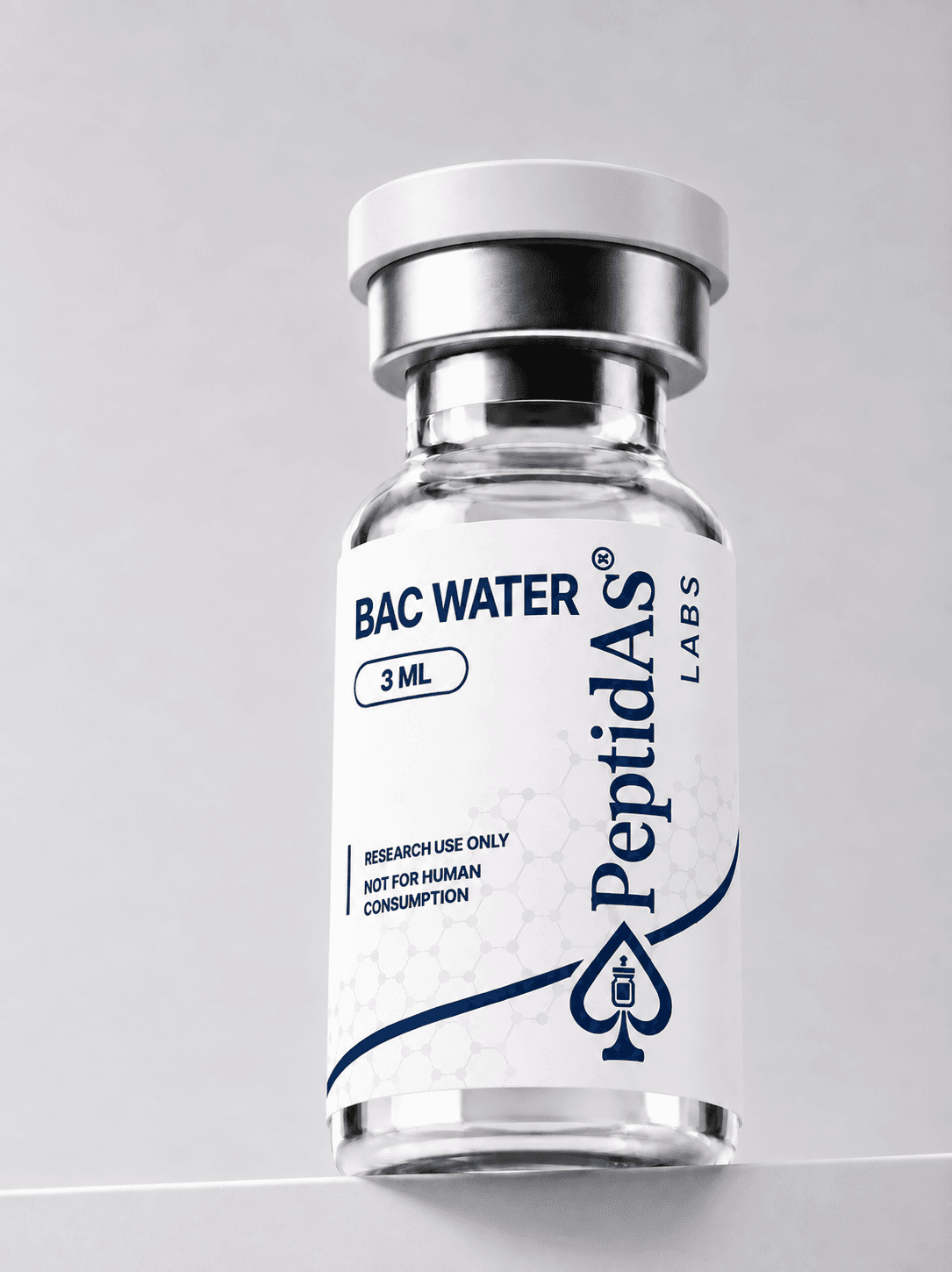
Reconstitution is when the powder becomes visible again: it dissolves, including the film on the walls and the powder under the cap. The solvent is added slowly along the side of the vial, without shaking it, as described in How to Reconstitute a Lyophilized Peptide in the Lab. The resulting solution should be clear and free of particles. Bacteriostatic water is the standard solvent.
The concentration is calculated based on the mass indicated on the label and the volume of solvent added. The dosage calculator automates this concentration calculation. To confirm the net content and purity, only the batch certificate of analysis, based on HPLC analysis, is authoritative.
Our products are intended exclusively for laboratory research. They are not intended for human or veterinary use. To understand what the molecule itself is, see What Is a Peptide?.
Frequently asked questions
Is my bottle empty if there's just one tablet or a white film left?
No. A lyophilized peptide often forms a thin layer or film on the wall of the vial. 10 mg of powder covers only a few tenths of a millimeter at the bottom of the vial. Only a vial with absolutely no trace of powder should be reported to support.
Can you tell the difference between a 10-mg bottle and a 30-mg bottle?
Hardly at all. The difference in powder height is about 0.7 to 1.3 mm, which is hidden by the thick bottom of the vial. The appearance also depends on the shape of the lyophilized product, which varies from vial to vial.
Can we check the amount by weighing the bottle?
No. The glass and the cap weigh several grams, while the powder weighs a few hundredths of a gram: the weight of the glass varies from one bottle to another by a much greater amount than the quantity of powder.
The powder is stuck to the cap or the sides: is this a defect?
No, this is common after transport. The powder dissolves during reconstitution—including the powder on the walls and the stopper—if the solvent is added slowly along the side of the vial.
How can you determine the actual contents of a batch?
As indicated by its certificate of analysis: purity determined by HPLC, identity determined by mass spectrometry, and net peptide content. The appearance of the vial provides no information on any of these points. Products intended for laboratory research only.
Compounds mentioned in this article
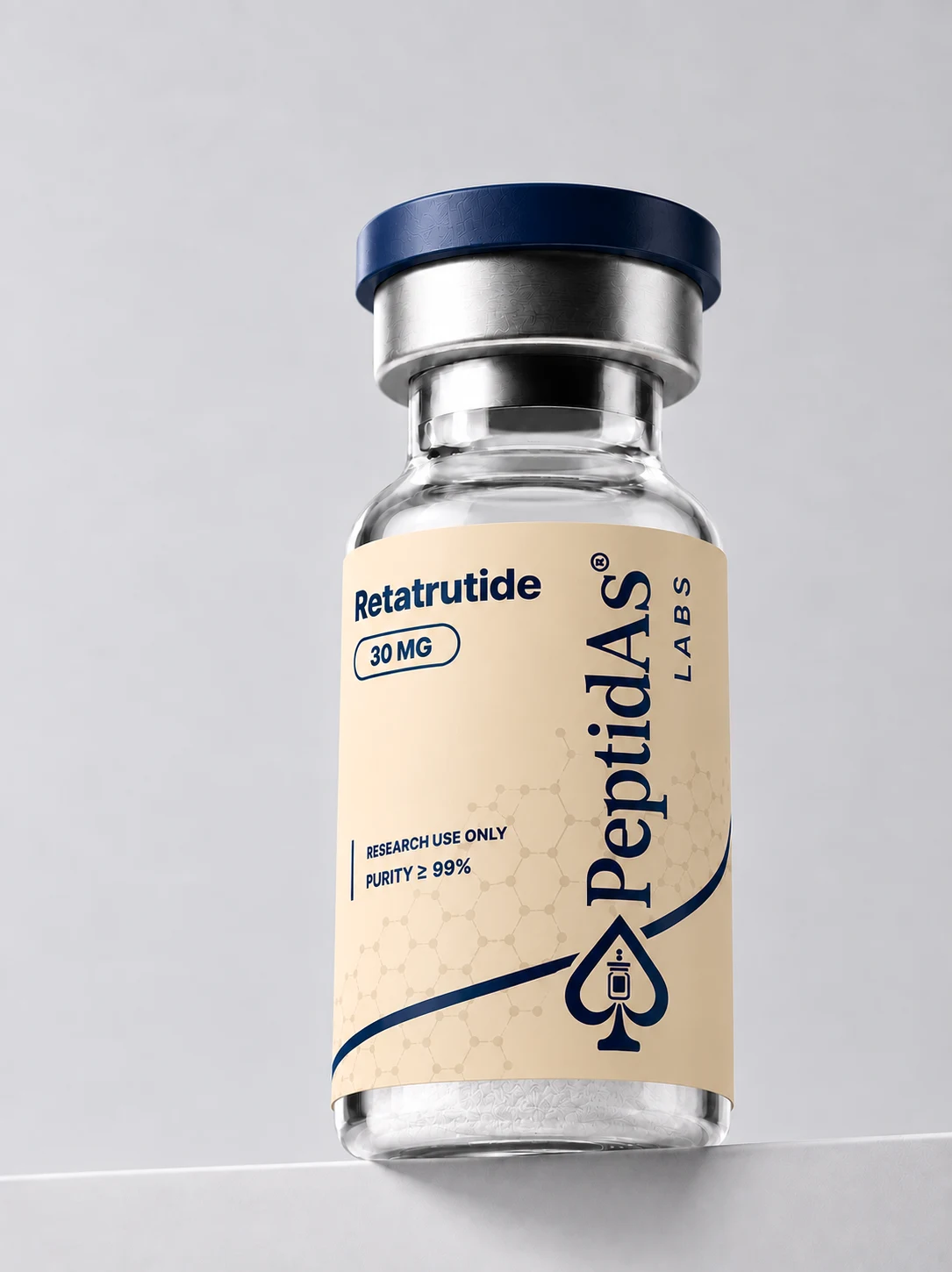
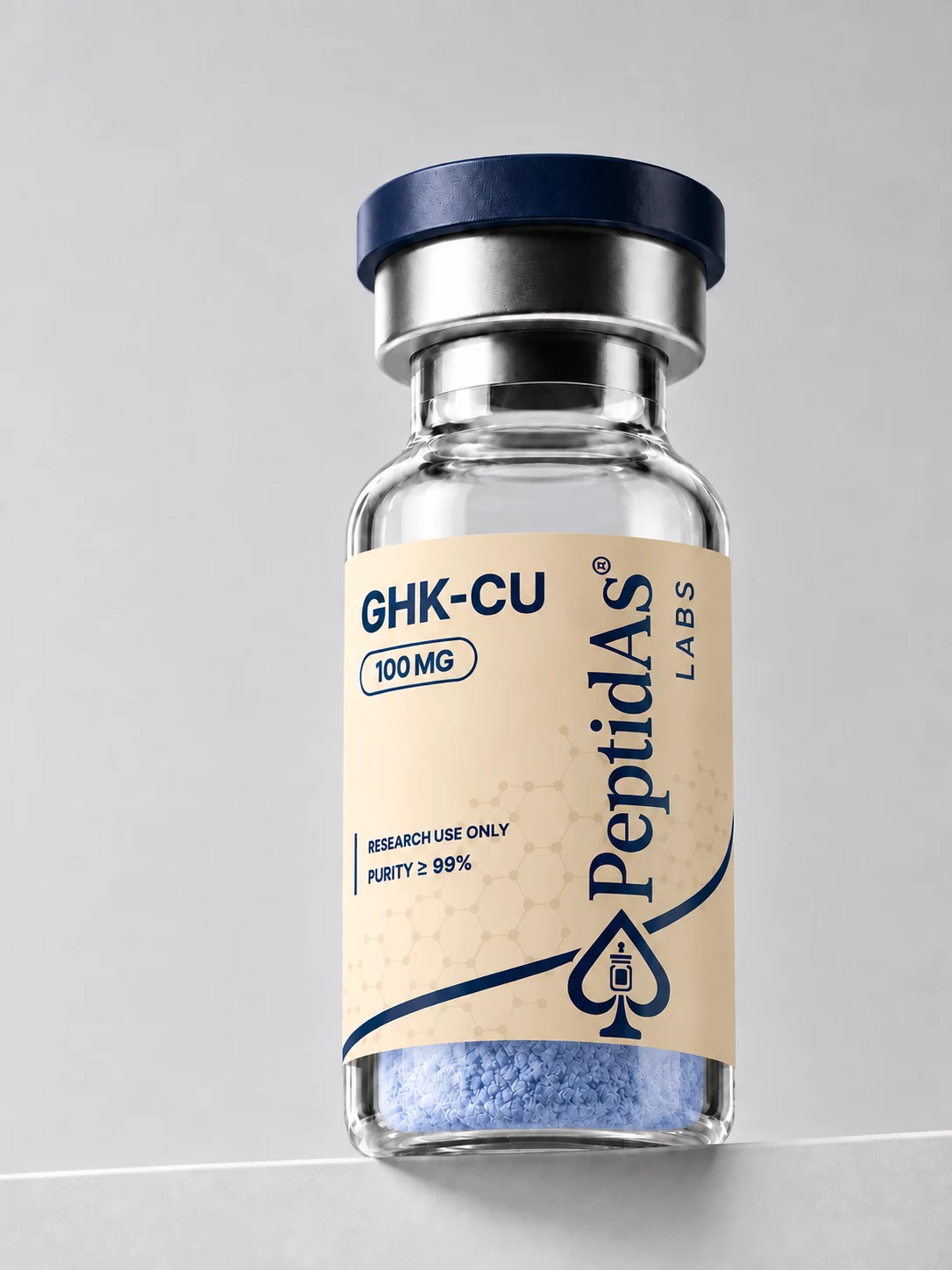
The research products mentioned above.
Read also
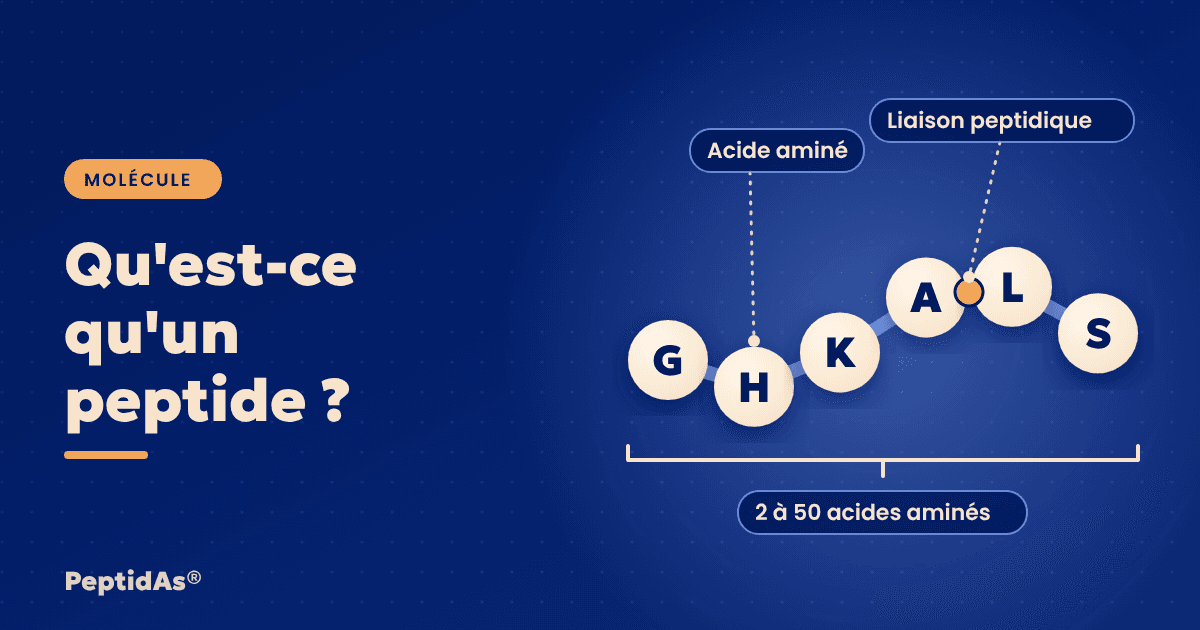
What Is a Peptide? Definition, Structure, and Use in Research
A peptide is a short chain of amino acids linked by peptide bonds. Understanding its structure, how it differs from a protein, and its lyophilized form is the starting point for any serious research.
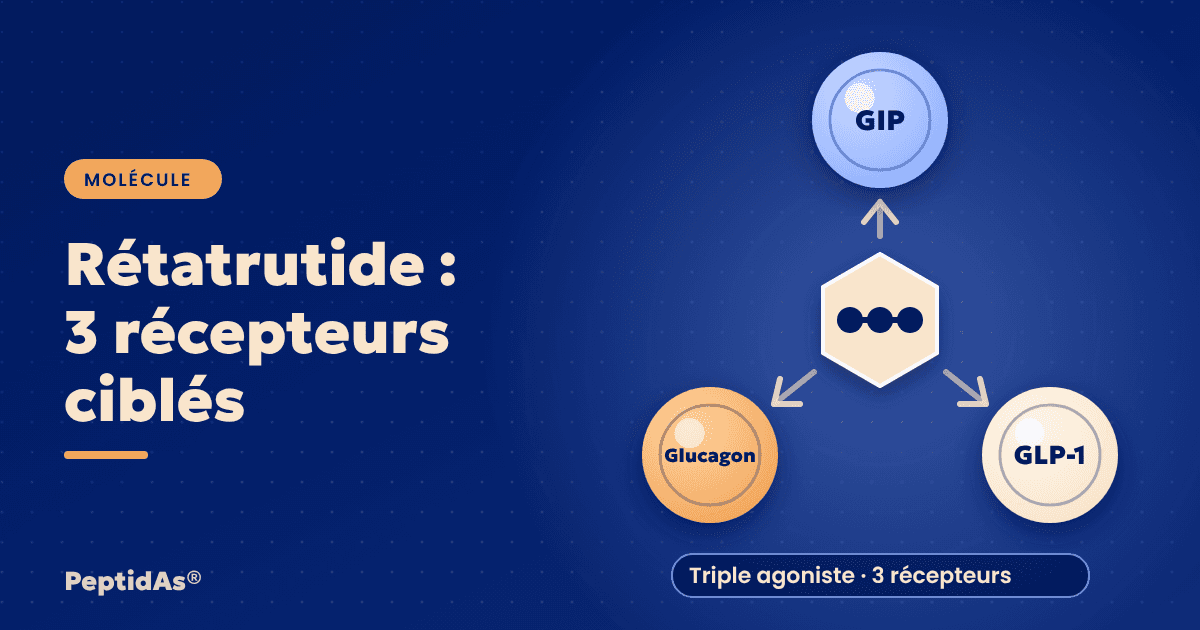
What Is Retatrutide? An Explanation of the Triple Agonist
Retatrutide is the first peptide to simultaneously activate three metabolic receptors. This is what sets it apart from tirzepatide and semaglutide, and this is what the published literature actually reports.
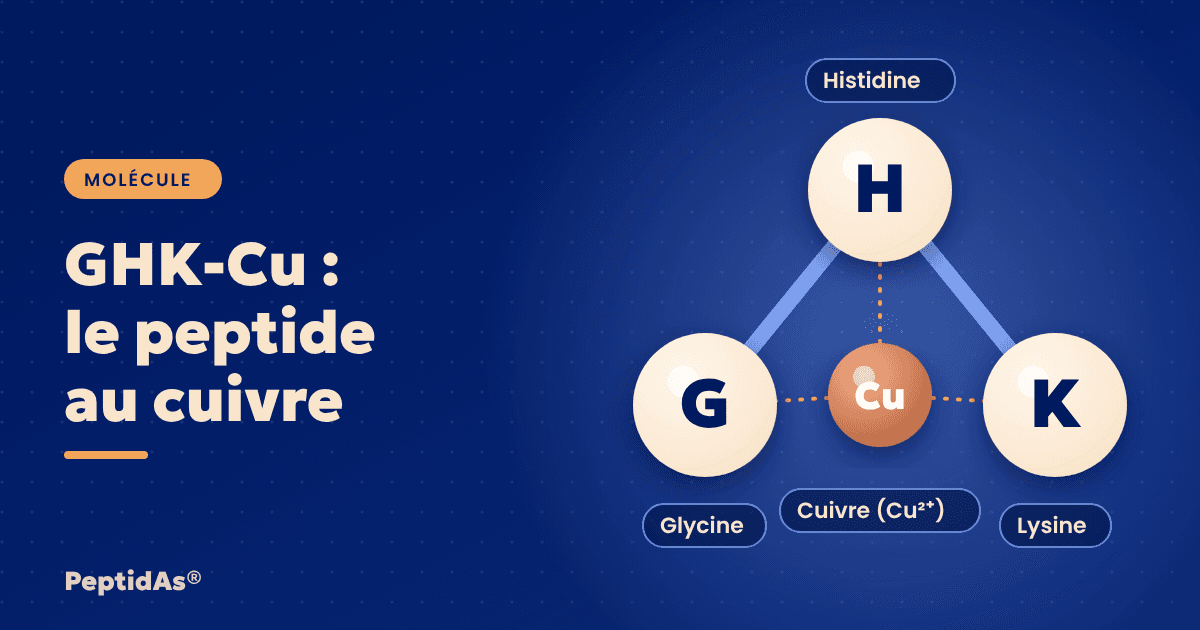
What Is GHK-Cu? An Explanation of the Copper Tripeptide
Discovered in human plasma in 1973, GHK-Cu is one of the most extensively studied peptides in skin research. Its structure, its complex with copper, and what the literature actually says.